Hello, this is VALVEPARK.
Today we'd like to share a butterfly valve actuator
technical issue that occurred at Company G's site.
Our field inspection found that the issue was largely driven by installation conditions and how the valves were being operated.
We'll walk through the corrective actions we took and the precautions to keep similar issues from happening again.

Customer: Company G
Item: Butterfly Valve Actuator
Model: AV13-100/DE006
Affected Units: 4 (out of 39 units delivered, 4 showed the same issue)
[DOWVALVE] Electric Butterfly Valve (SUS304, 10K)
Industrial valve solutions, made simple and fast! Get every industrial valve and expert technical solution in one stop - no site visit required!
www.valvepark.com
The following symptoms were reported during commissioning and normal operation:
• 1 unit failed to operate during commissioning.
• 1 unit was stuck closed and would not open.
• Some stopped at the half-open position but resumed normal operation when struck (external impact).
• Multiple valves were observed cycling repeatedly between OPEN and CLOSE.
Failure to commission, sticking in the open or closed position, and irregular repeated cycling -
in short, widespread abnormal behavior and shutdowns across the actuators.
👨🔧⚙️
As soon as the customer reported the symptoms, we visited the site immediately.
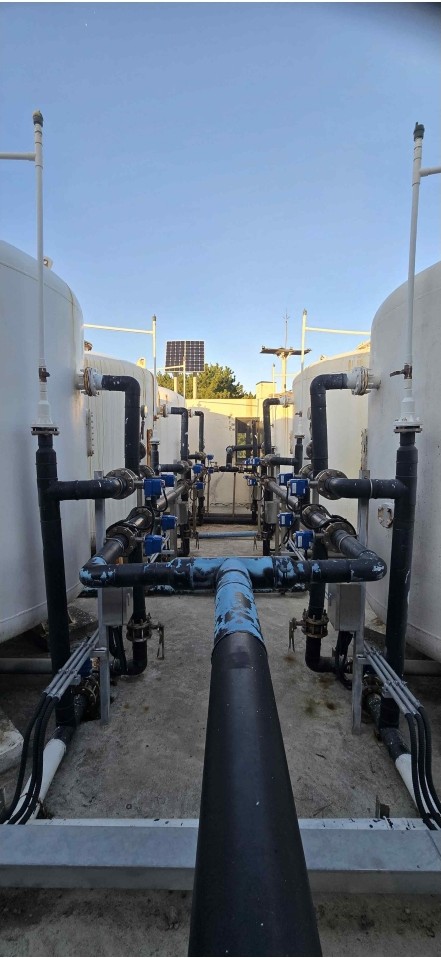
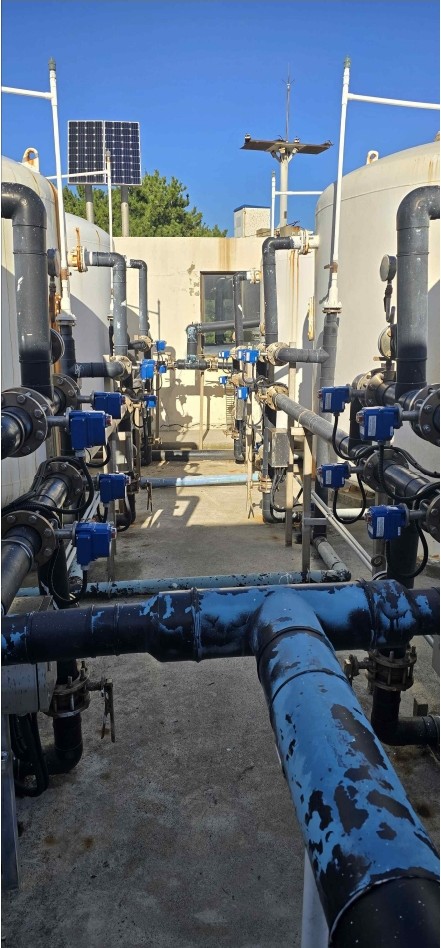
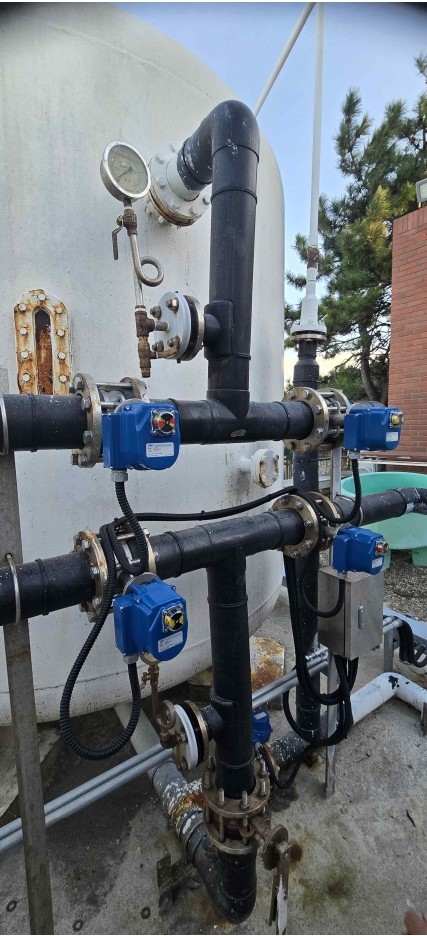
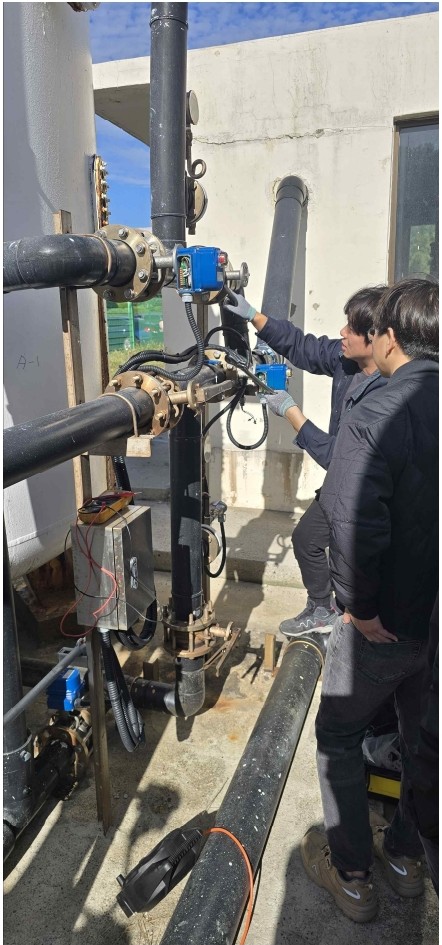
After arriving on site and inspecting each unit one by one,
we found that the valves were not operating properly not because of a product defect, but because of how they had been installed and controlled.
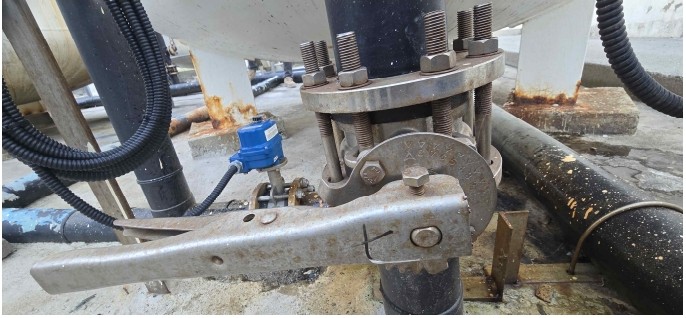
Issue 1. Valves were fitted crooked, like a misaligned puzzle piece.
When a butterfly valve is bolted to a flange and the alignment is off, the rubber seat (seal) inside the valve gets pushed to one side.
We saw exactly that condition on this site.
The flange was misaligned, pushing the rubber seat upward and out of position.
Even with the actuator removed and turned manually, full 360° rotation was impossible.
Because the entire valve was out of alignment, the rotational torque had risen abnormally.
In that condition, no matter how much force the actuator delivers it cannot properly rotate the valve,
and continuous overload will eventually cause electrical damage to the internal motor.
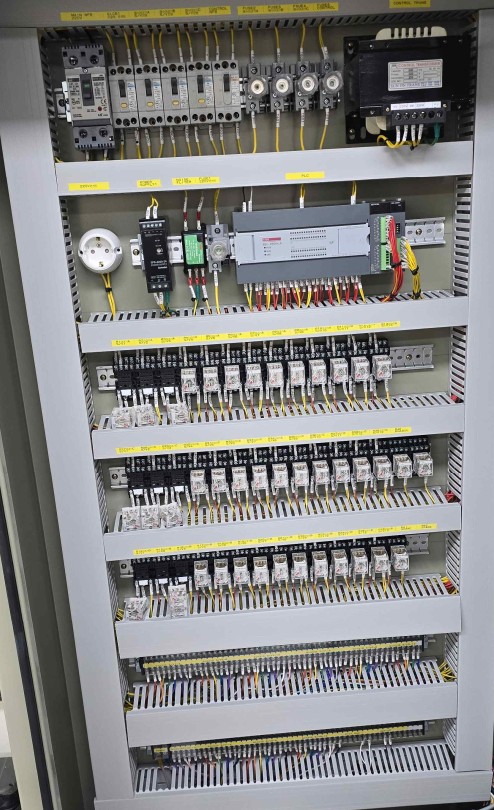
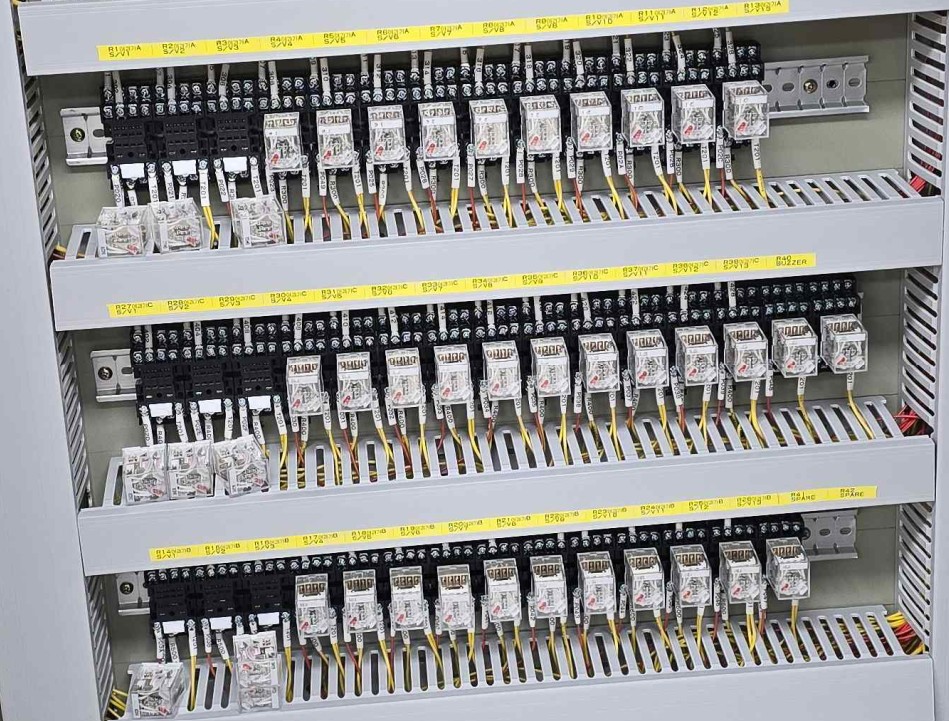
Issue 2. Trying to turn on several lamps from a single switch.
When you wire valves for electrical operation, each actuator should normally have its own dedicated switch (relay).
But on this site, multiple valves had been tied to a single switch.
That kind of wiring causes control signals to get mixed up,
leading to malfunctions, increased load, and incorrect limit switch readings,
among other problems.
Used this way, the units end up confusing each other, behave erratically, and inevitably fail much sooner.
Issue 3. All 4 returned units showed motor electrical damage.
Inspection of the 4 actuators recovered from the site found that every motor had either burned (overheated)
or had broken internal wiring - the same electrical damage pattern across all four.
Rather than simple product wear or a manufacturing defect,
✔ The torque had risen excessively because of poor flange alignment.
✔ Sharing a single relay across multiple actuators sent abnormal operating signals.
We assessed the failures as the result of these two external factors compounding each other.
👨🔧🔍
Since the issues uncovered on this site originated from the installation method and electrical wiring,
we provided the following corrective measures to prevent the same failures from recurring.
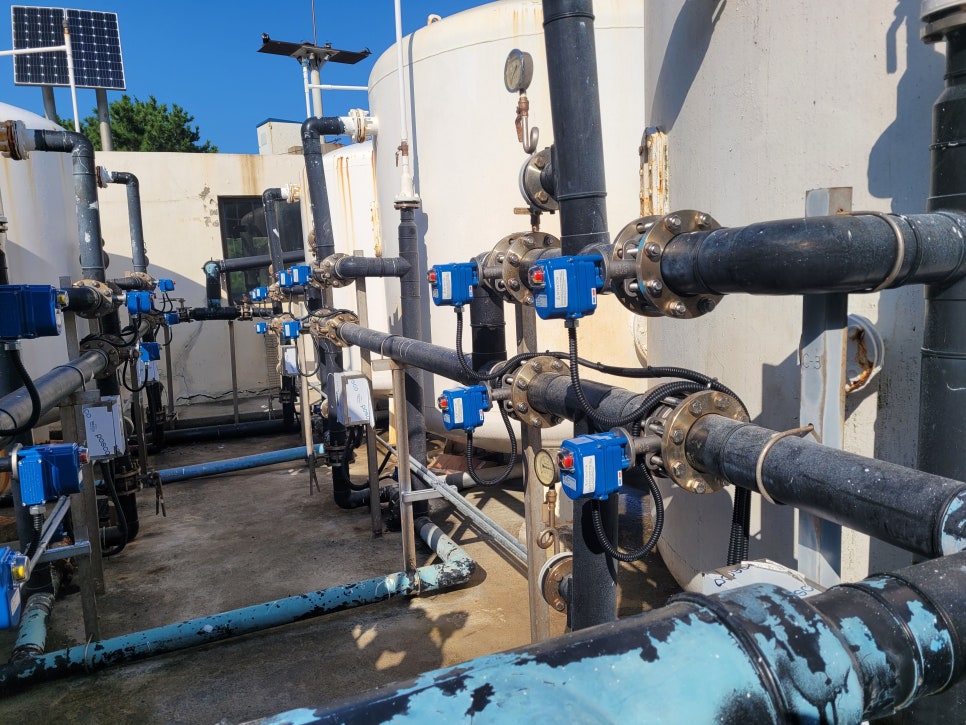
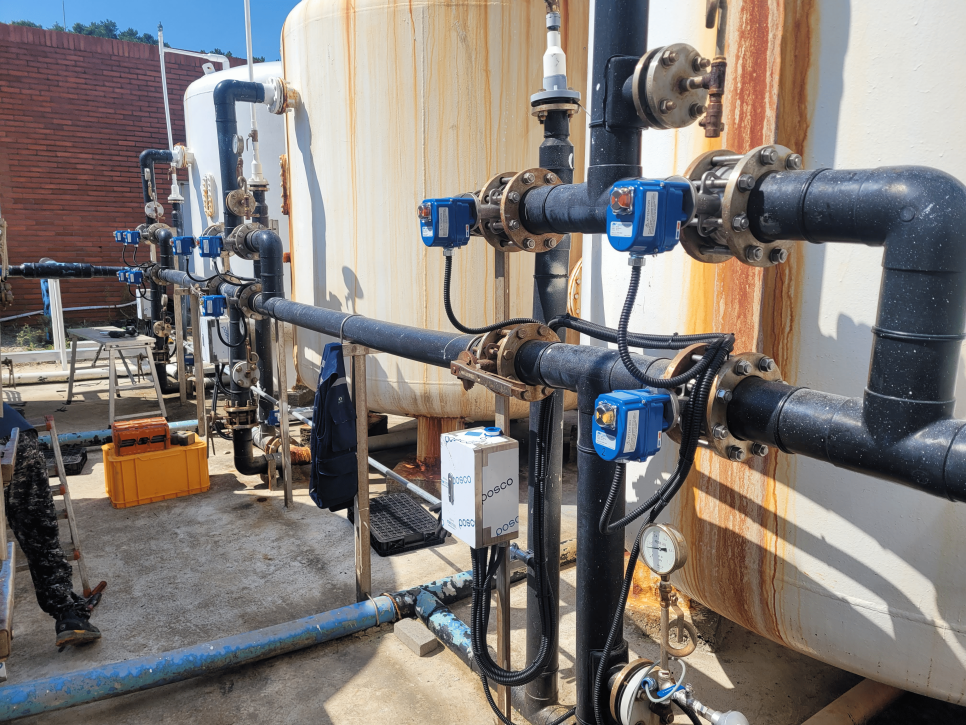
Solution 1. We thoroughly inspected every one of the 39 units on site.
First, we hands-on inspected all 39 valves and actuators installed on site, one by one.
We checked which units were operating incorrectly and verified the overall condition of every other unit.
Solution 2. Units that were misbehaving were corrected on the spot.
Units that could be corrected on the spot were adjusted immediately,
and we re-tested each one to confirm it returned to normal operation.
Solution 3. The 4 failed units had their motors replaced with new ones and were fully refurbished.
For the 4 units whose motors had burned out from excessive load, we replaced the motors with new ones,
cleaned and reconditioned the internals, and only then shipped them back out.
Solution 4. We provided guidance on the correct installation method and wiring practice to prevent recurrence.
No matter how well a unit is repaired, if the valve is mounted misaligned or several units are
tied to a single electrical switch (relay), failures will simply happen again.
So we walked the site supervisor through the correct installation method and wiring approach once more.
The problems uncovered during this site visit were ultimately not product failures, but
the large consequences of small mistakes in installation and wiring.
Even a slight valve misalignment makes torque shoot up sharply, and tying several actuators to a single switch
puts the units in a situation where they essentially ask each other "who's moving?" and confuse the signals.
As a result, the motors kept straining until they finally gave out.
Fortunately, we thoroughly inspected all 39 units on site.
Going forward, simply installing each valve straight and using a separate relay per unit
will be enough to prevent the same problem from happening again.
We hope this case is a reminder of just how important proper equipment management is.
And we'll keep supporting your site to make sure your operation stays stable!
.
.
.
VALVEPARK - Everything About Industrial Valves
Industrial valve solutions, made simple and fast! Get every industrial valve and expert technical solution in one stop - no site visit required!
www.valvepark.com