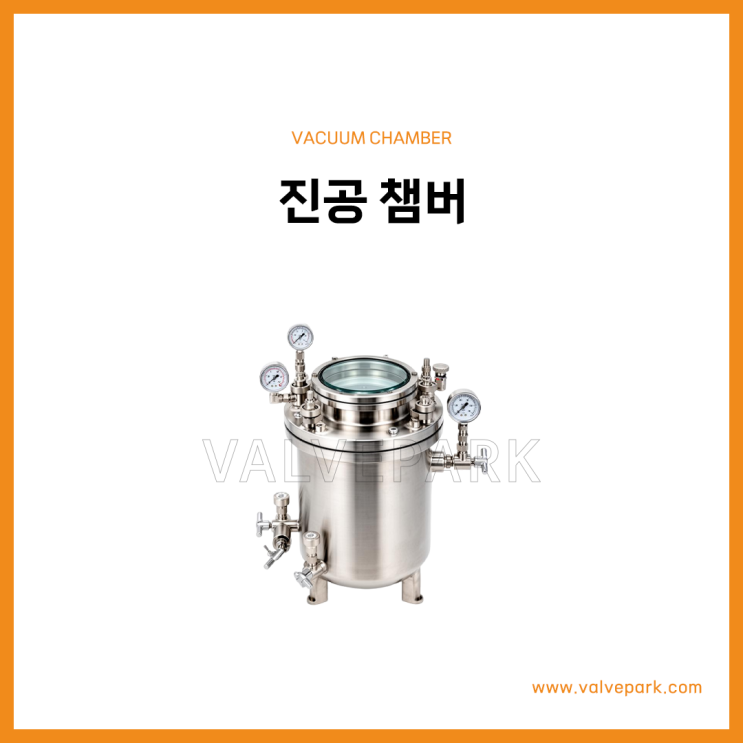
Hello, this is VALVEPARK.
In a previous Tech Solutions post, we covered "What is a Vacuum System? Structure and Operating Principles." This time, we introduce the first major component of a vacuum system: the Vacuum Chamber.
Advanced industries such as semiconductors, displays, and research equipment require a stable, precision vacuum environment. The core equipment that creates this environment is the vacuum chamber. Today we'll explain the various types and features of HTC vacuum chambers in straightforward terms.
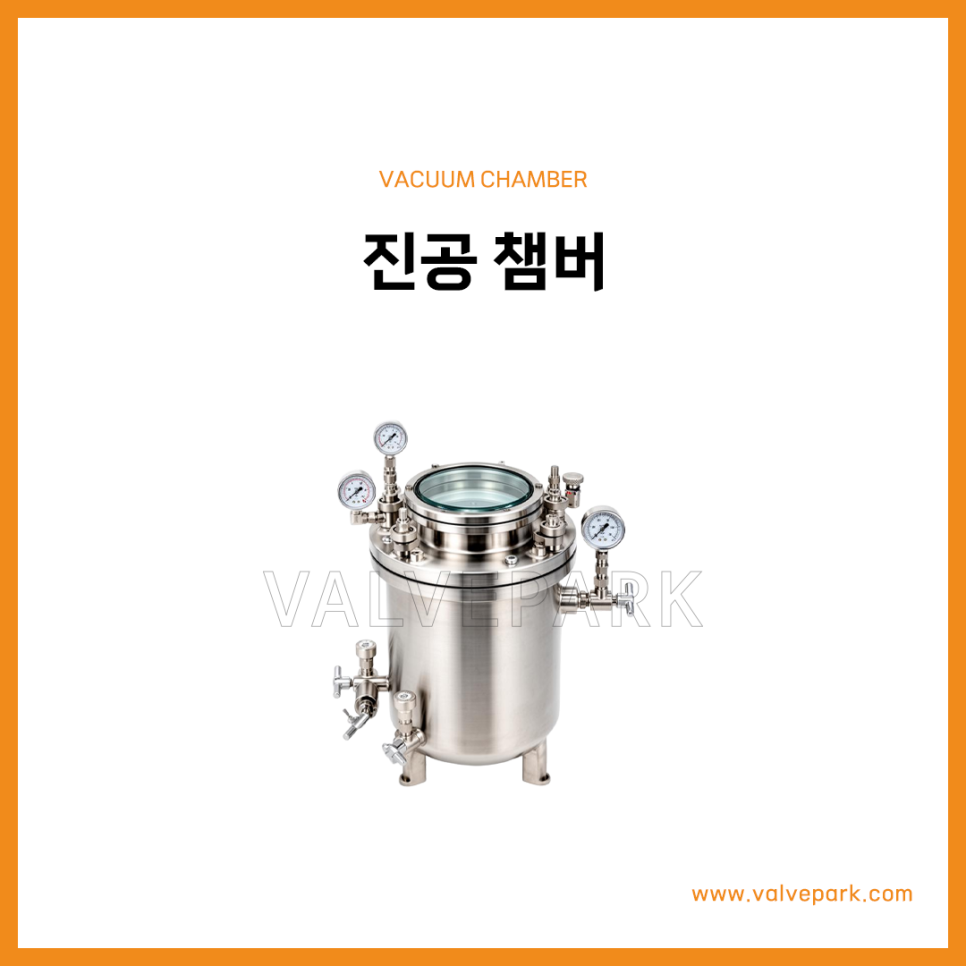
In advanced industries such as semiconductor manufacturing, thin-film coating, and material analysis, a stable vacuum environment free of air and contaminants is essential. The equipment that creates this environment is the vacuum chamber - a sealed enclosure that removes internal air to achieve High Vacuum (HV) or Ultra High Vacuum (UHV) conditions, enabling processes to proceed stably.
HTC Vacuum is a global manufacturer specializing in the design and production of vacuum equipment and components. They supply High Vacuum (HV) and Ultra High Vacuum (UHV) chambers for diverse industrial and research applications.
HTC offers multiple chamber configurations to suit different processes and equipment layouts.
The cylindrical vacuum chamber is the most commonly used form. Based on standard vacuum fitting tubes or pipes, it is manufactured to maintain a stable vacuum environment.
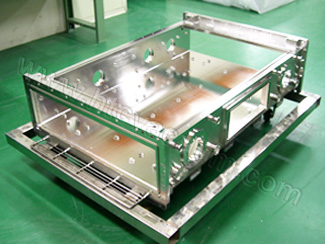
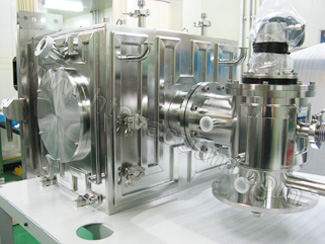
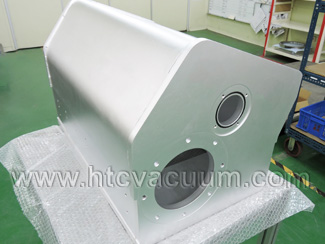
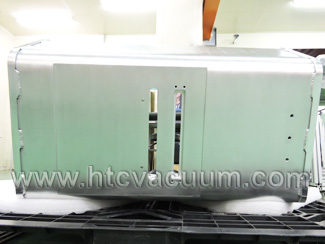
The box vacuum chamber has a rectangular structure with high internal space utilization, allowing a wide variety of equipment to be installed inside.
Widely used in research and testing equipment.
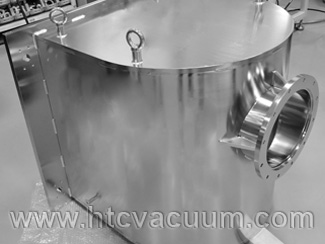
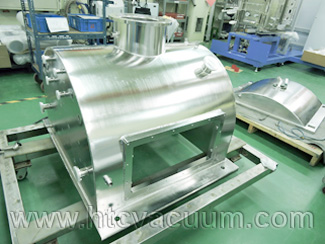
A D-shaped vacuum chamber with excellent accessibility for equipment installation.
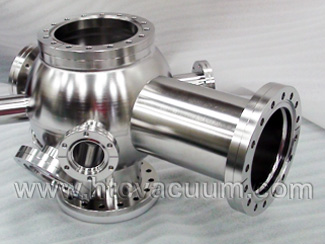
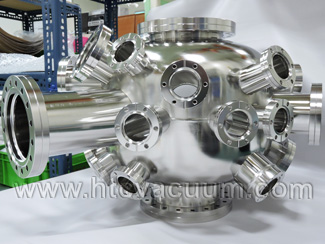
As the name suggests, a spherical vacuum chamber is ball-shaped. Its structure makes it easy to connect equipment in multiple directions. Spherical chambers typically have multiple ports, where sensors, analytical instruments, and observation devices can be connected. Because ports can be installed in any direction - top, bottom, side - they are widely used in research analytical instruments.
Representative applications:
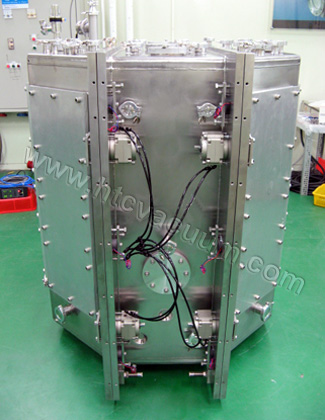
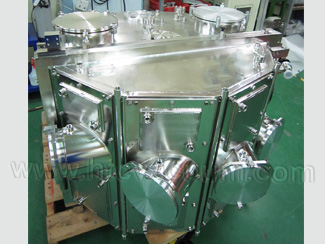
A polygon vacuum chamber has a multi-faceted structure - square, hexagonal, etc. Ports are easy to install on each face, making it popular for complex vacuum systems that require simultaneous connection of multiple instruments.
Ideal when multiple pieces of equipment must be used simultaneously within a single vacuum space.
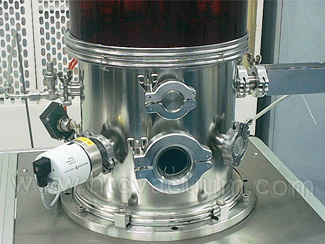
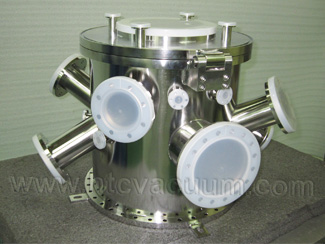
The Bell Jar chamber uses a transparent bell-shaped cover. Widely used in experimental setups, it allows direct visual observation of the interior during operation.
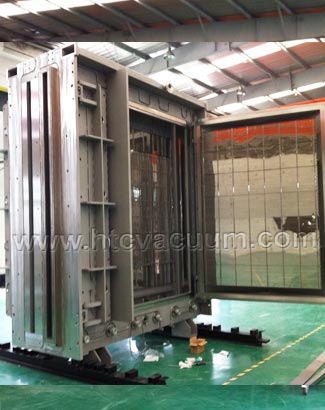
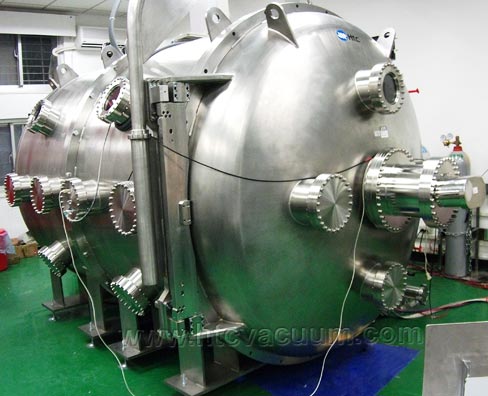
Large vacuum chambers are used when much bigger equipment must be accommodated, or when large-scale processes need to be carried out.

For any questions about HTC Vacuum Chambers or other vacuum components, please contact VALVEPARK at any time.
Email: sales@valvepark.com | Tel: 1666-0215