Hello, this is VALVEPARK. A vacuum system cannot be completed with a pump alone. To maintain the target vacuum level stably, every component - piping, flanges, sealing parts, and tees - must be properly designed. The KF (Klein Flange) standard, widely used in the medium-to-rough vacuum range, is popular across research facilities, analytical instruments, semiconductor equipment, and industrial vacuum systems for its easy installation and maintenance. In this technical overview, we explore the key KF vacuum piping fittings: their roles and technical characteristics.

KF fittings connect piping using flanges, centerings, O-rings, and clamps. Compared to welded connections, they are far easier to assemble and disassemble, with excellent maintainability - making them the preferred choice in environments that require frequent equipment inspection or piping changes.
The key characteristics of the KF standard:
The centering ring and O-ring perform the actual sealing function at every KF connection point. The centering ring maintains alignment between flanges, while the O-ring blocks external air ingress to preserve the vacuum. VITON O-rings in particular are widely used in general industrial vacuum systems for their excellent heat and chemical resistance.
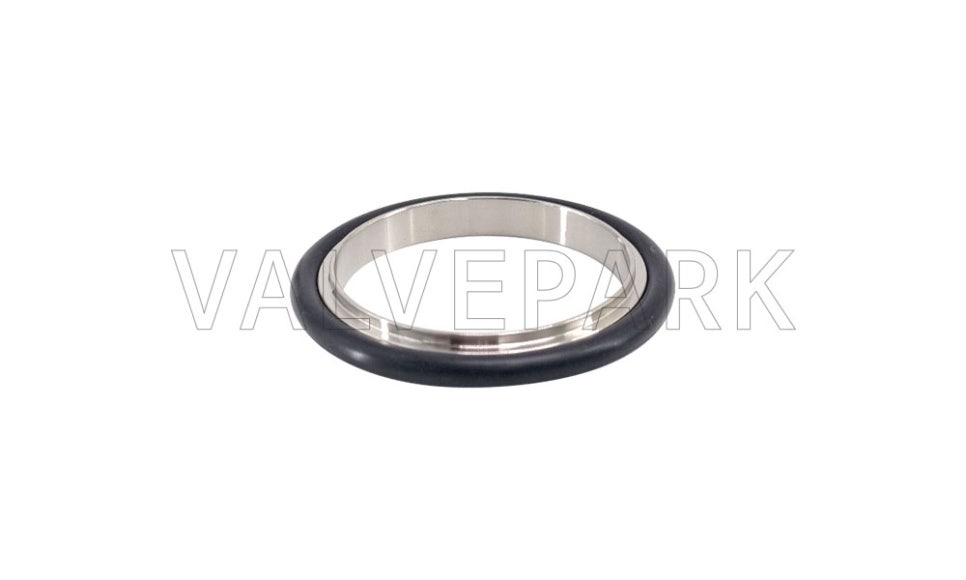
Key roles:
Vacuum chambers and piping often have spare ports. Leaving an unused port open makes it impossible to achieve vacuum, so it must be completely sealed with a blank flange. This is also a frequently used basic component during equipment expansion or maintenance.
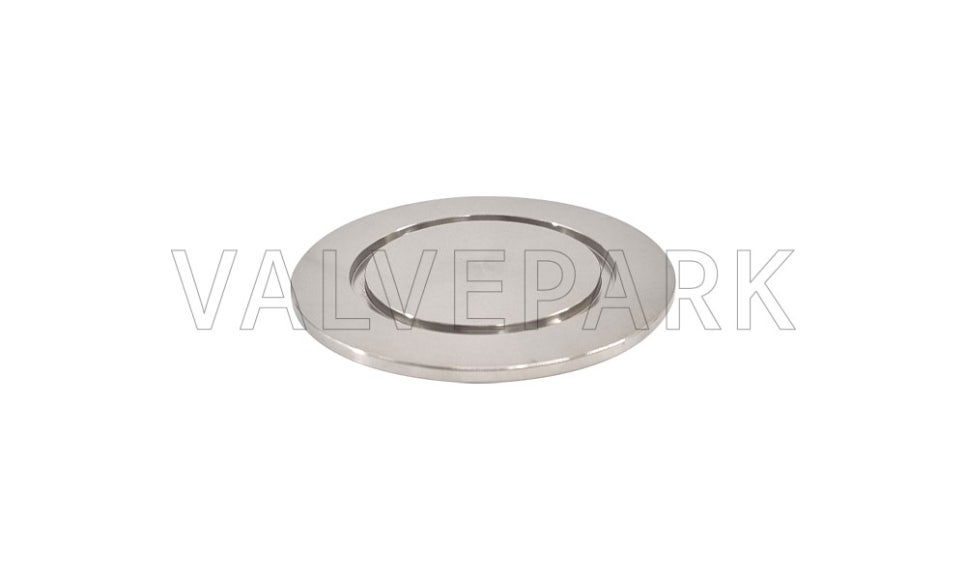
Key roles:
A bored blank flange is a flange with a machined opening at the center. Used when installing pressure gauges, sensors, or feedthroughs, it goes beyond simple port blocking to provide system expandability.
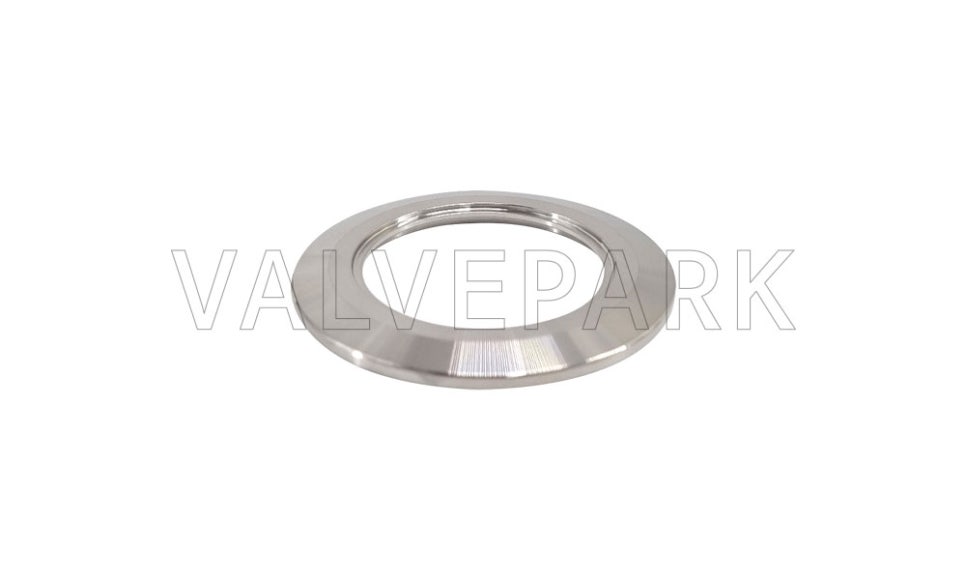
Key roles:
A flange is the most fundamental interface for connecting pipe to pipe or pipe to equipment. The short-weld type features a short weld length for excellent installability and can be combined with stainless-steel piping to build a stable vacuum line.
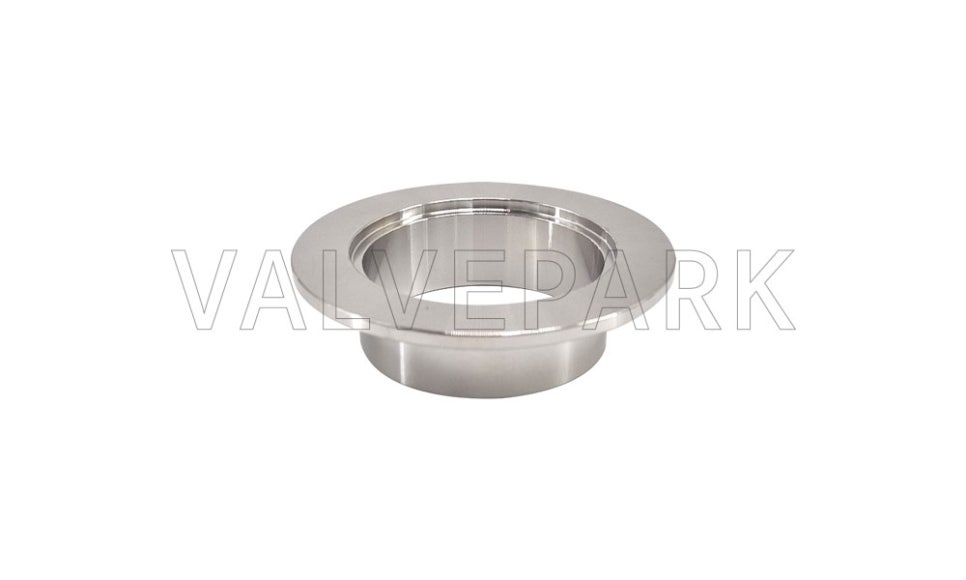
Key roles:
One of KF system's greatest strengths is fast, tool-free fastening. The hinge clamp secures the flanges so the O-ring seals uniformly under compression. The double-pin structure enhances fastening stability, maintaining reliable connections even through repeated disassembly and reassembly cycles.
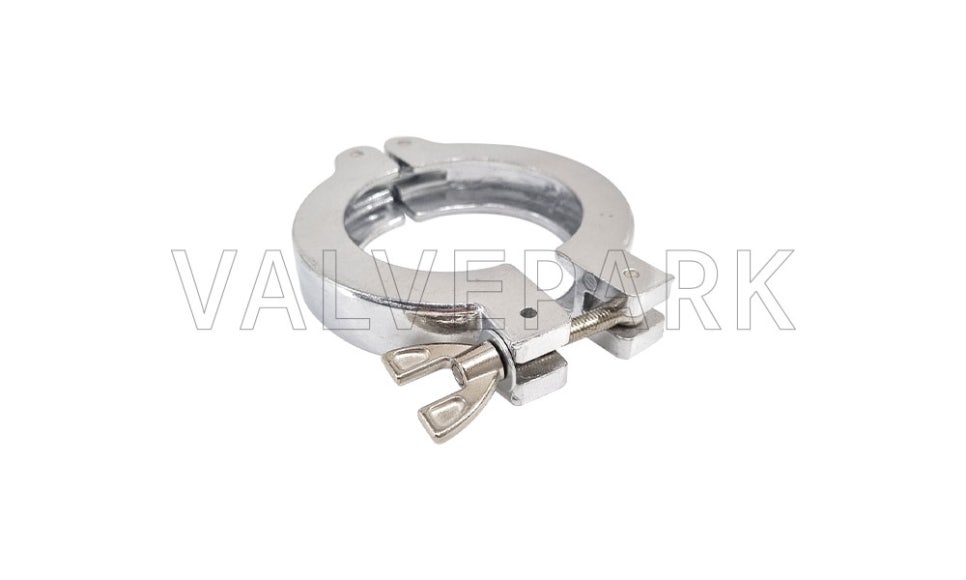
Key roles:
Vacuum systems more often connect multiple pieces of equipment than operate on a single line. The KF Tee branches piping in three directions, allowing pumps, chambers, and measurement instruments to be integrated into a single system.
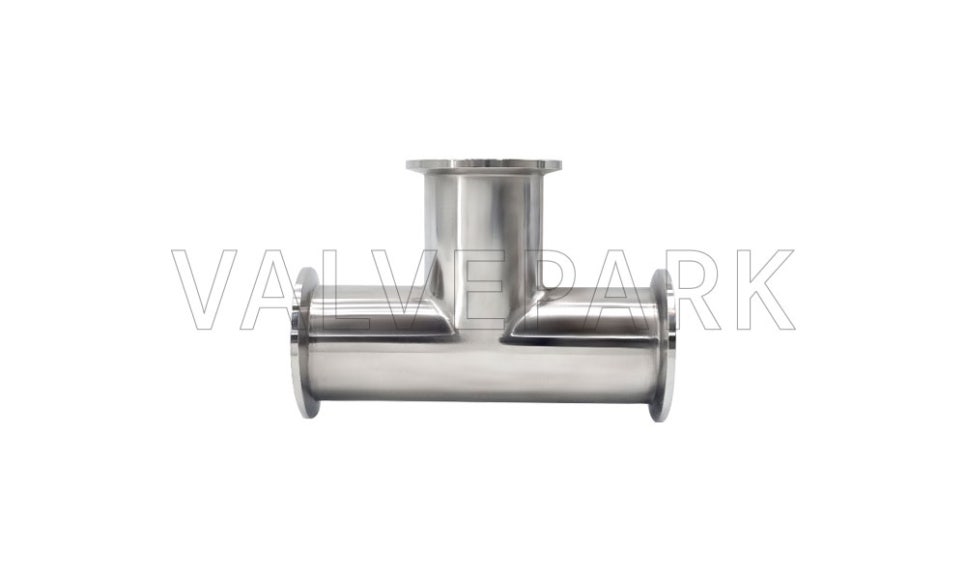
Key roles:
Space inside equipment is always limited. The elbow changes piping direction by 90°, enabling efficient use of installation space. It is one of the essential components for optimizing piping layout.
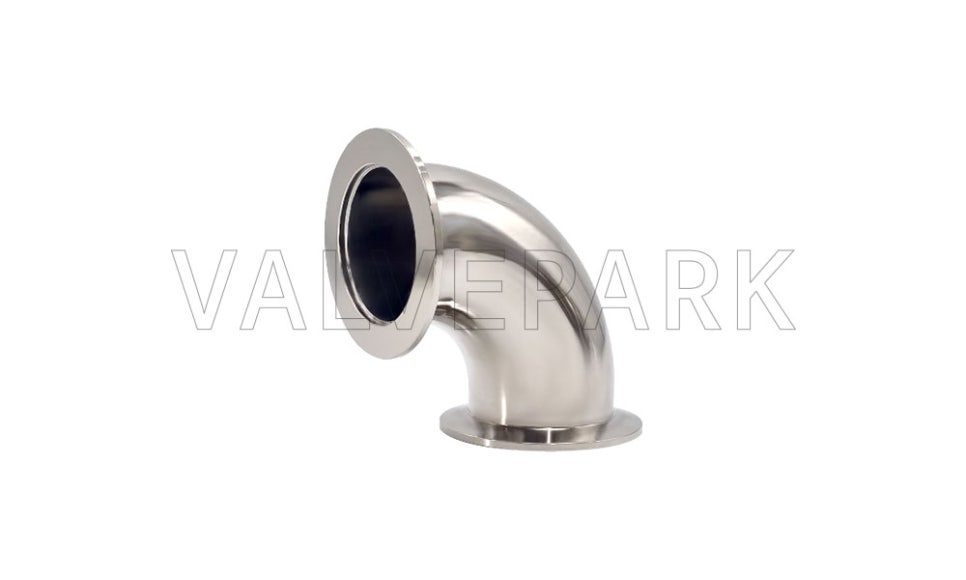
Key roles:
Vacuum systems frequently require connecting pipes of different sizes. The conical reducer converts between KF standard sizes and is designed to reduce flow resistance caused by abrupt cross-section changes.
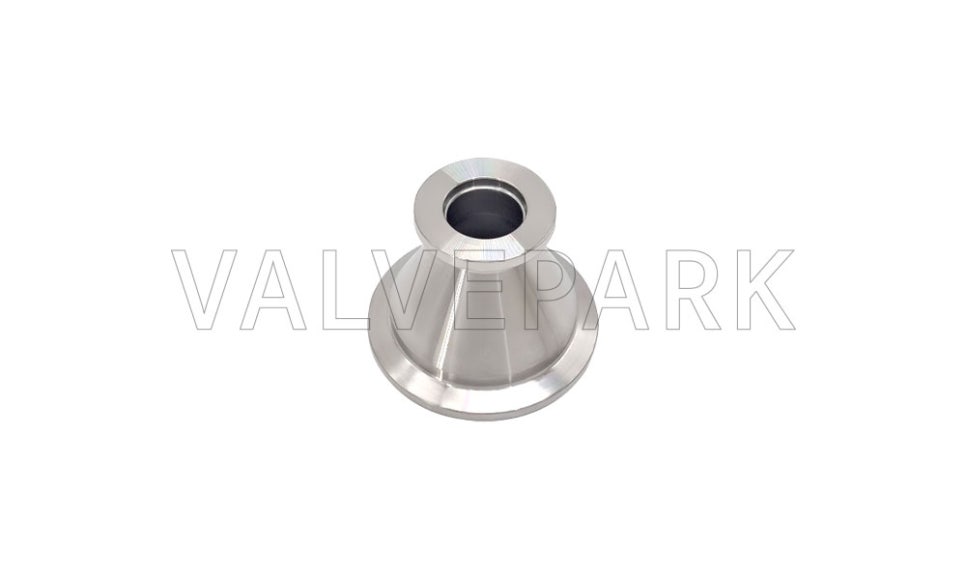
Key roles:
When choosing vacuum fittings, checking the KF standard and pipe diameter alone is not enough. You must also consider the target vacuum level the system requires, operating temperature, the characteristics of gases being used, pipe diameter, and the ease of future maintenance. If you have plans for equipment expansion or the addition of measurement instruments, these must be reflected in the fitting selection as well.
Taking all of these factors into account is the only way to secure stable vacuum performance - and in the long run, it also helps reduce maintenance costs and improve equipment reliability.
In summary: centerings and O-rings handle sealing; flanges and clamps handle connections; tees, elbows, and reducers configure the piping layout.
We hope today's overview of KF vacuum fittings has been helpful. We will continue to bring you practical and informative piping and equipment content you can use directly in the field.