Hello, this is VALVEPARK.
In industrial settings, accurate flow control and leak-free sealing integrity are core factors directly linked to system stability. Today we introduce the Pneumatic Globe Control Valve - optimized for clean fluid lines carrying water, liquids, gas, and steam - and explain simply why it is so widely used in the field.
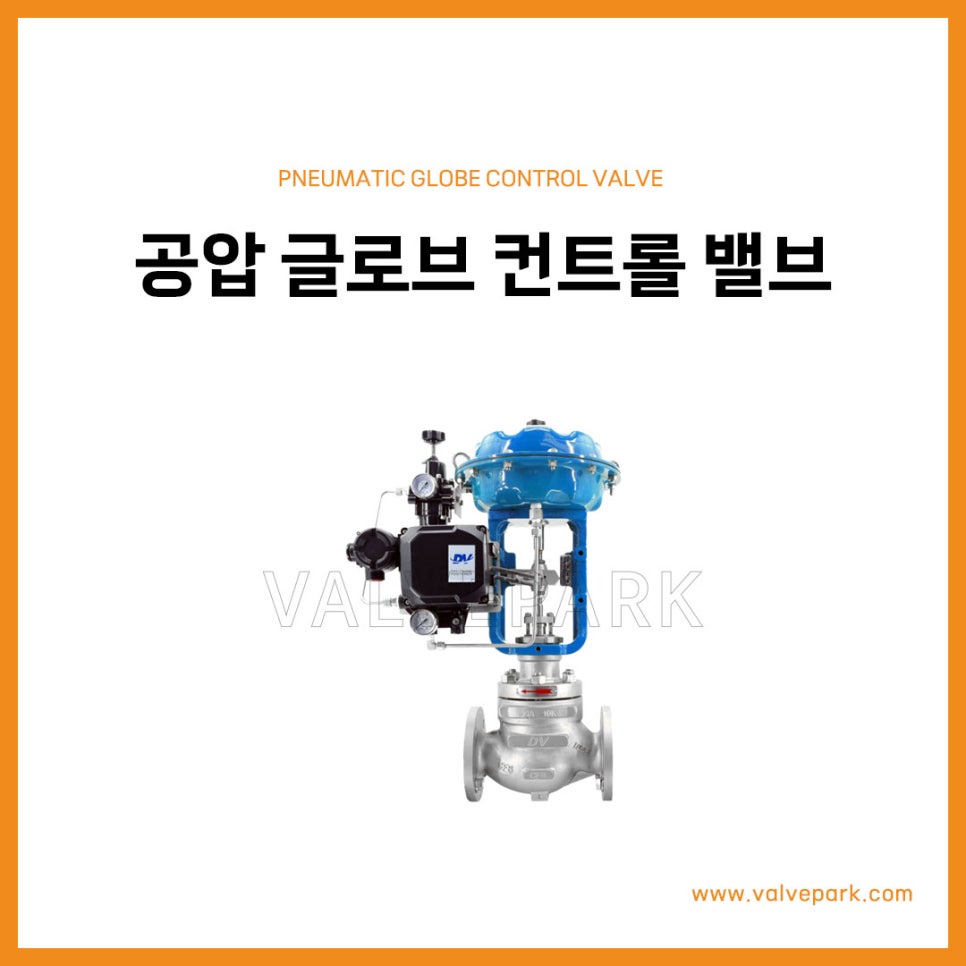
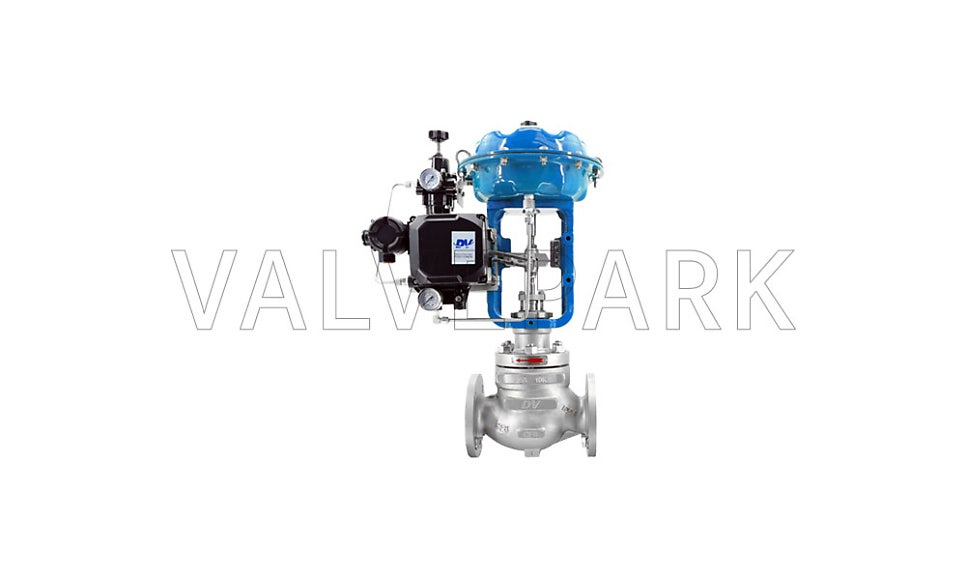
A pneumatic globe control valve uses compressed air to automatically open, close, and control the valve. Unlike conventional manual valves, it can perform accurate, fast valve actions in response to external signals - making it widely used in process control and automated systems.
Operating sequence: Input signal → Positioner → Actuator position adjusted → Valve stem moves up/down → Flow regulated.
Stellite welding is applied as a standard option to the core components - plug and seat ring - resulting in outstanding wear resistance.
High-strength, corrosion-resistant materials ensure stable durability even in high-temperature environments and challenging fluid conditions.
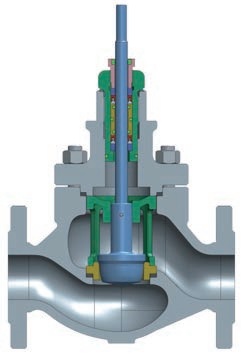
S-shaped flow path. Low pressure drop, high flow capacity, and stable flow. Smooth interior walls provide efficient fluid movement.
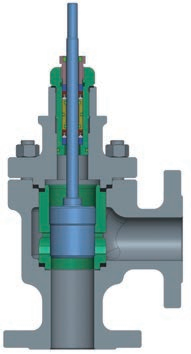
Compact structure with a simple flow path. Low resistance and strong resistance to clogging. Suitable for flashing conditions or high differential pressure applications.
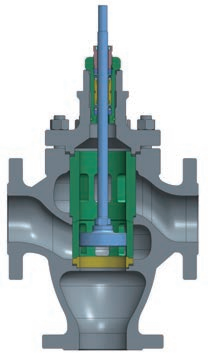
Converging or diverging configurations. Suitable for proportional control and bypass control. Space-saving installation and cost-effective.
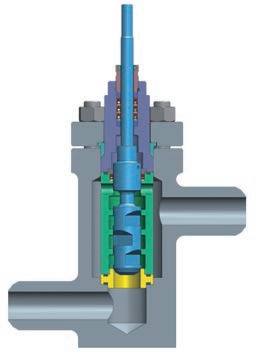
Integral forged structure suitable for high-pressure service. Excellent pressure containment. Designed for high differential pressure environments with particulate-laden fluids.
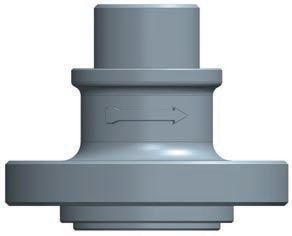
The most commonly used bonnet type under normal temperature conditions. Made of the same material as the body, it provides sealing and actuator connection. Simple structure with excellent versatility.
Operating temperature range: -30°C ~ 230°C
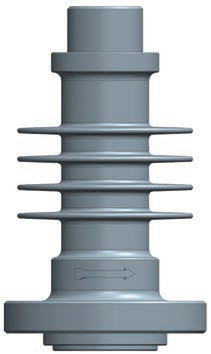
Specially designed for high-temperature environments. A heat sink (fin) structure increases the contact area between the bonnet and ambient air for effective heat dissipation, protecting the packing and actuator from high temperatures.
Operating temperature range: 230°C ~ 530°C
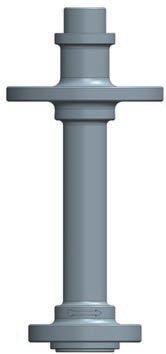
Used for low-temperature and cryogenic fluids such as liquid oxygen and liquid nitrogen. The extended bonnet length effectively protects the packing and actuator from cryogenic conditions. SUS304 or SUS316 material as standard; alternative materials can be selected based on thermal expansion requirements.
Operating temperature range: -196°C ~ 45°C
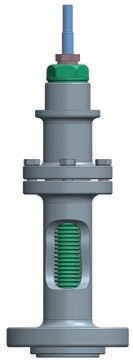
Incorporates a stainless steel bellows assembly that completely isolates the fluid from the outside while allowing smooth up-and-down stem movement. A standard packing box is also applied above, forming a double-seal structure that effectively prevents fluid leakage and environmental contamination.
Operating temperature range: -29°C ~ 300°C
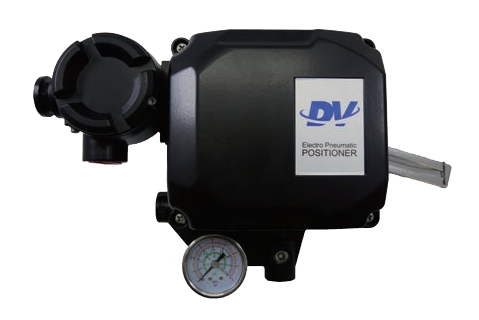
Converts an electrical signal (4-20mA DC) to a pneumatic signal to control valve opening degree. Basic-type positioner.
Applications: General industrial plants, flow and pressure control processes, basic control accuracy requirements.
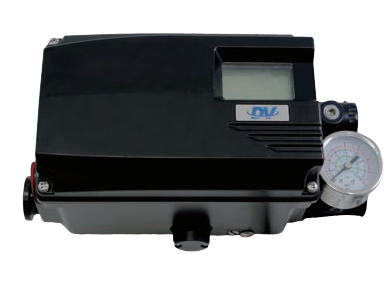
A high-performance positioner that adds digital control functionality to the electro-pneumatic positioner. Provides fine opening degree control and extensive diagnostic functions - suited for processes requiring precision control.
Applications: Plants requiring precision control, highly automated processes, systems requiring remote control and condition monitoring.

For inquiries about pneumatic globe control valves, please contact VALVEPARK at any time.
Email: sales@valvepark.com | Tel: 1666-0215