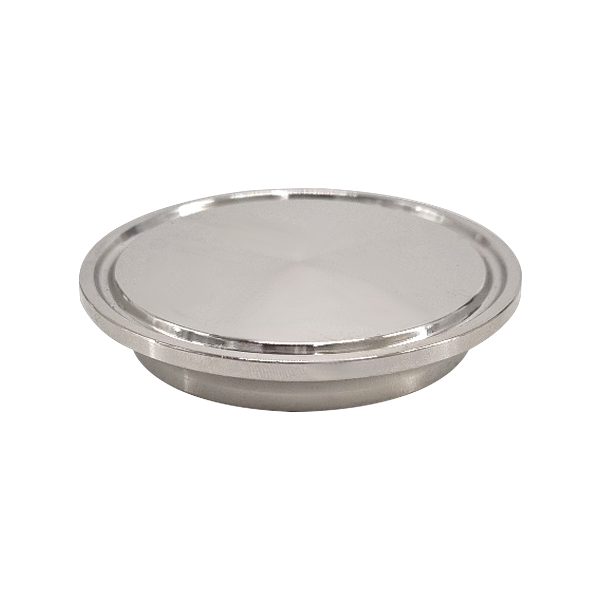
Sanitary Blank (SUS304)
Model: PSF-05
Sanitary Blank (SUS304) is a key component used to safely and effectively seal fluid lines in industrial environments requiring high cleanliness and hygiene. The excellent corrosion resistance and hygienic surface finish of the SUS304 material suppress microbial growth and prevent contamination, meeting the strict regulations of the pharmaceutical, biotechnology, food, and beverage industries. The tri-clamp connection enables rapid installation and disassembly, maximizing the flexibility and efficiency of production lines.
Specifications
Frequently Asked Questions
- What is the most important consideration when selecting a sanitary blank?
- The key factors are the surface roughness of the wetted area and the hygienic grade of the material. SUS304 has excellent corrosion resistance and hygienic properties, but depending on the fluid characteristics, it may be necessary to upgrade to a higher alloy such as AISI 316L. Surface roughness should be standardized at Ra 0.8 micrometer or less to suppress microbial growth.
- What kind of fluid environment is the SUS304 sanitary blank suitable for?
- SUS304 is widely used for non-corrosive fluids, neutral solutions, and general water treatment processes. However, in fluid environments with acids or chlorine ions, there is a risk of pitting corrosion, so it is preferable to use AISI 316L or higher. The chemical concentration and temperature of the CIP/SIP process must also be considered.
- What types of connection are typically used for blanks, and on what basis are they selected?
- Tri-Clamp is the most common connection method for sanitary blanks. It enables quick connection and disconnection while providing hygienic sealing. Selection should consider system pressure rating, frequency of maintenance, and compatibility with the existing system. The gasket material (such as EPDM or silicone) should also be chosen appropriately.
- What maintenance tips support long-term performance of the sanitary blank?
- Periodic visual inspection is important to check the blank surface for damage, corrosion, and scratches. Tri-Clamp gaskets should be replaced within their service life to prevent leaks and maintain hygienic integrity. After every CIP/SIP cycle, ensure thorough rinsing so that no cleaning agent residue remains.